
Sale
Asparagus are sold at the farmers' markets in Kaunas and Vilnius.
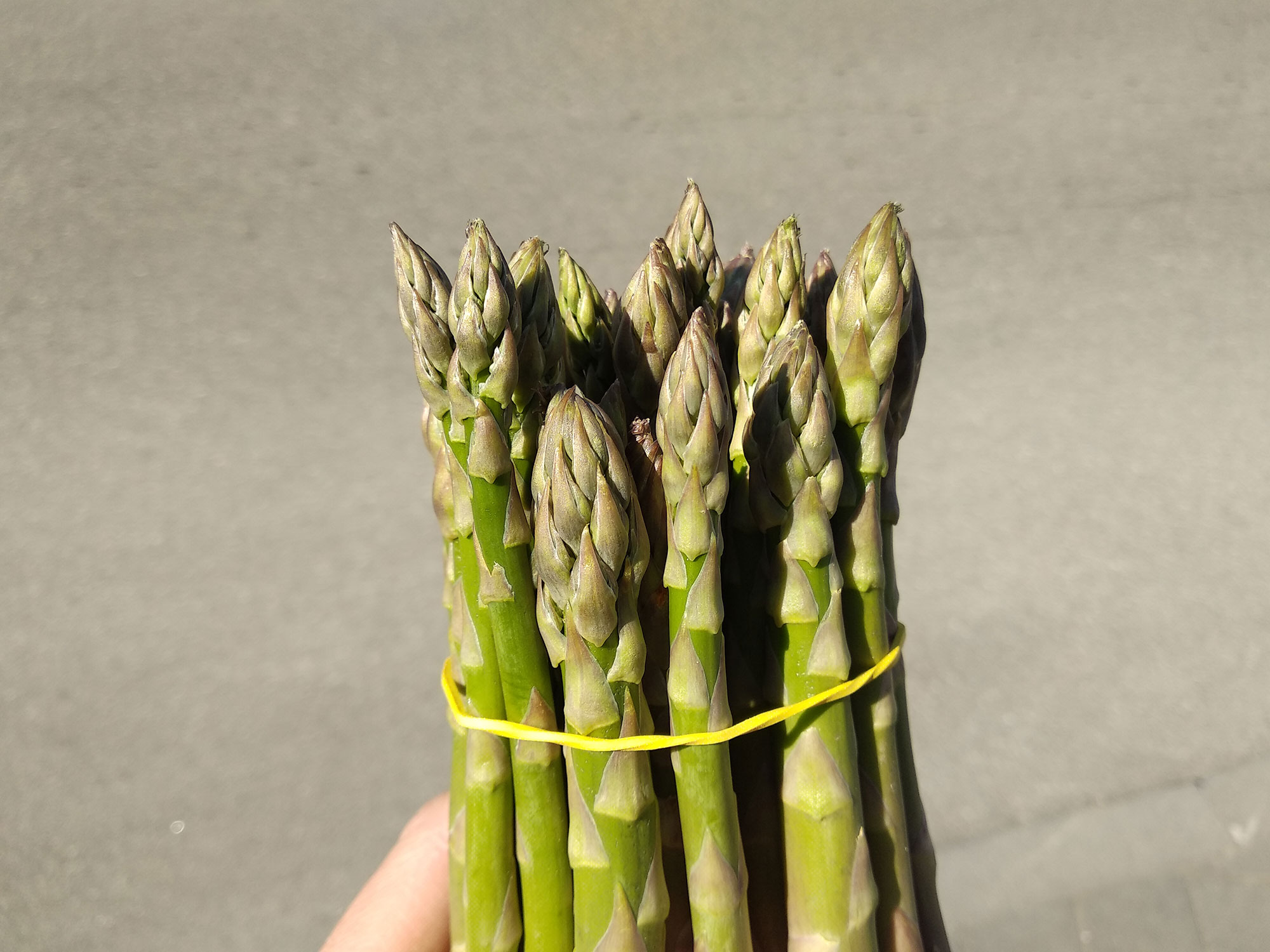

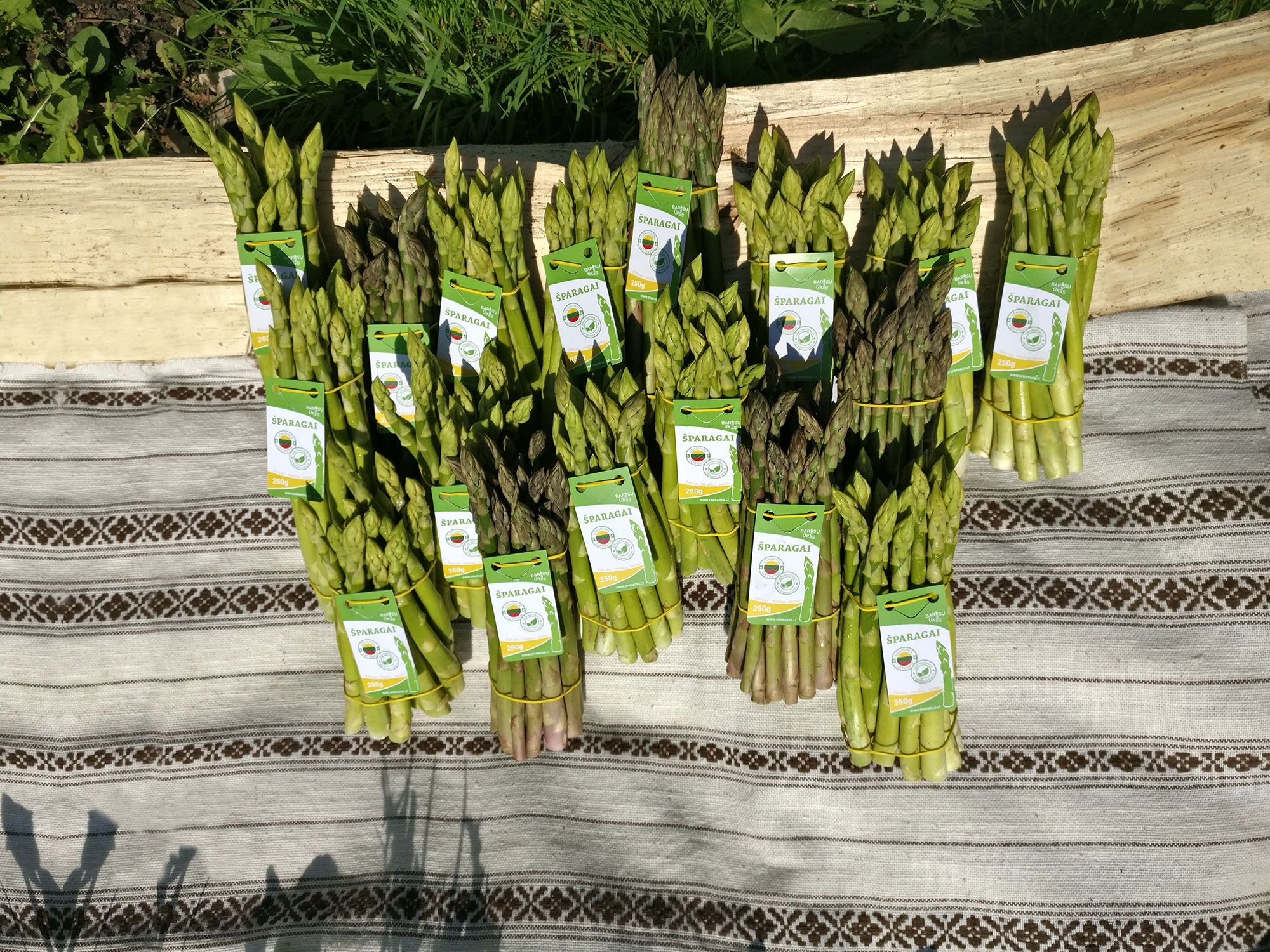
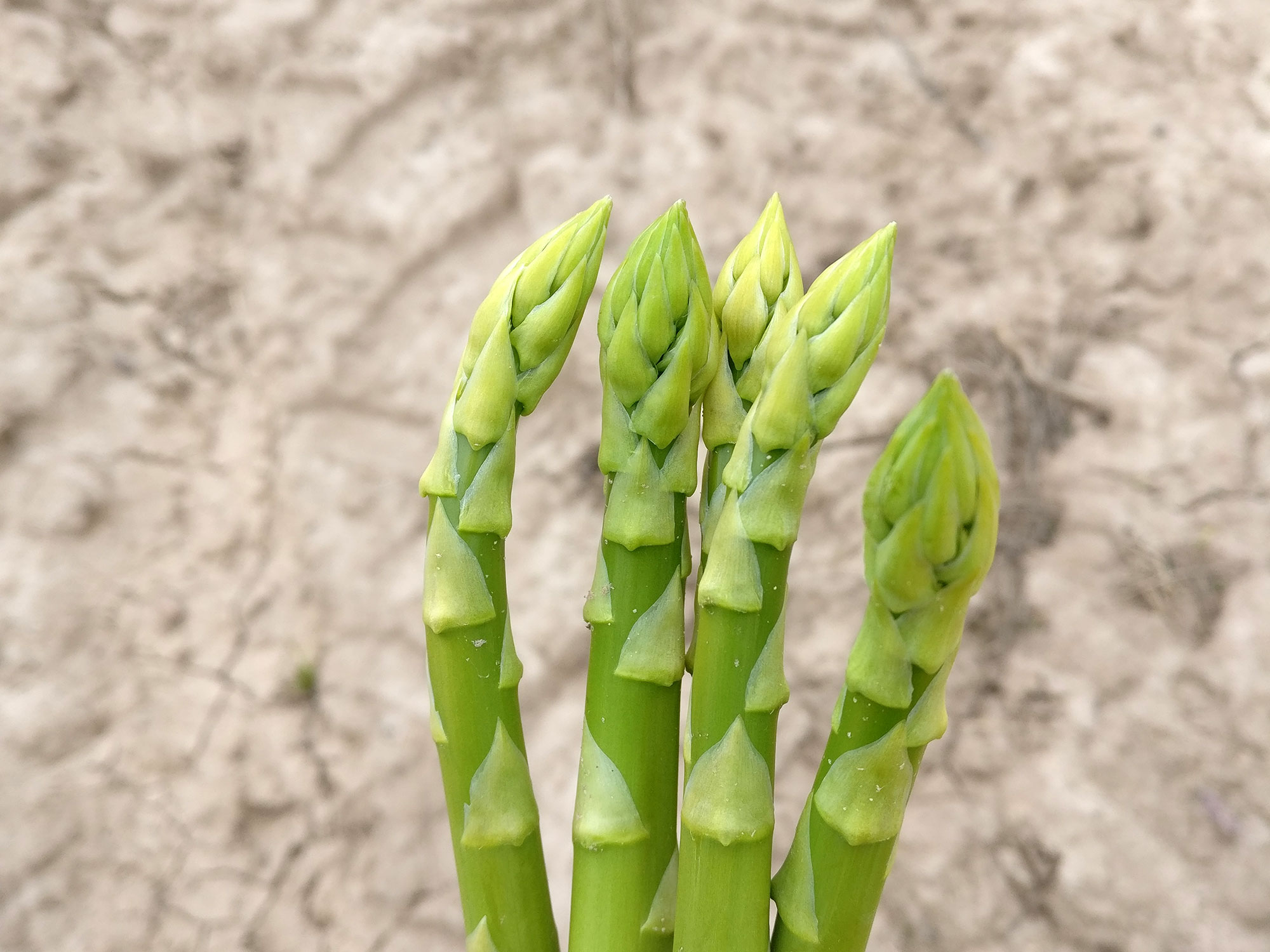
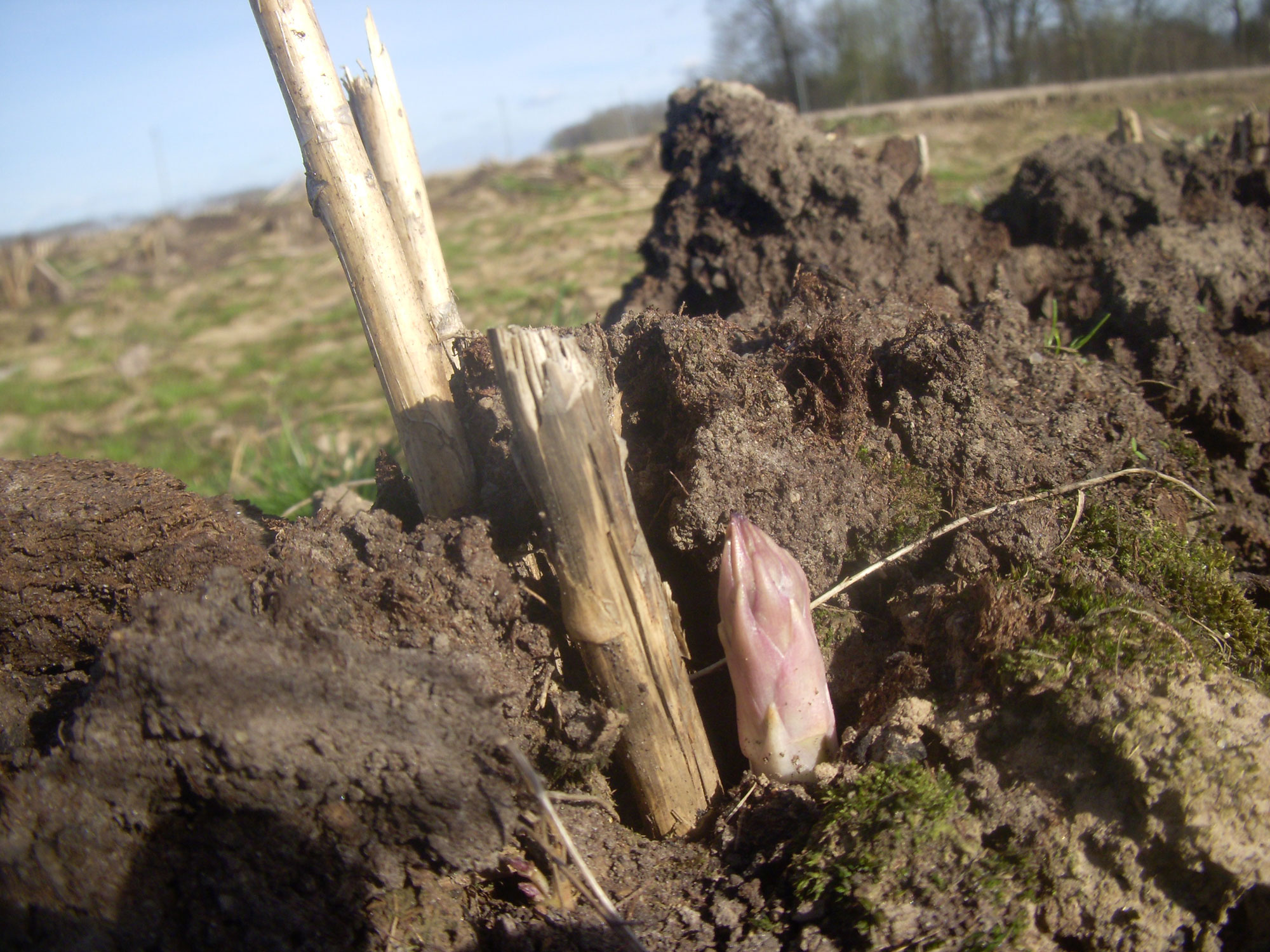
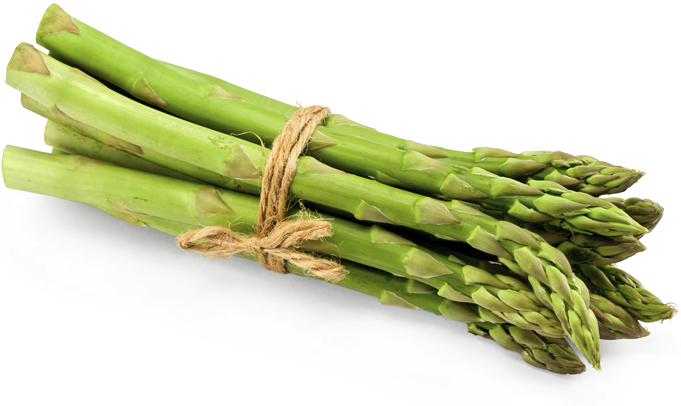
Barisas family farm is located in Prienai district, away from the city. Asparagus is the main crop of cultivation. The season of asparagus begins in April and lasts for about two months. We do our best to offer high quality and healthy products to our customers.
Asparagus is not only one of the earliest vegetables, but also has many valuable properties:
Asparagus are sold at the farmers' markets in Kaunas and Vilnius.
Fresh production delivery to cafes, restaurants and private individuals.
The season of asparagus lasts from April until middle of June.
For order, inquiry or questions please contact us by phone or e-mail.
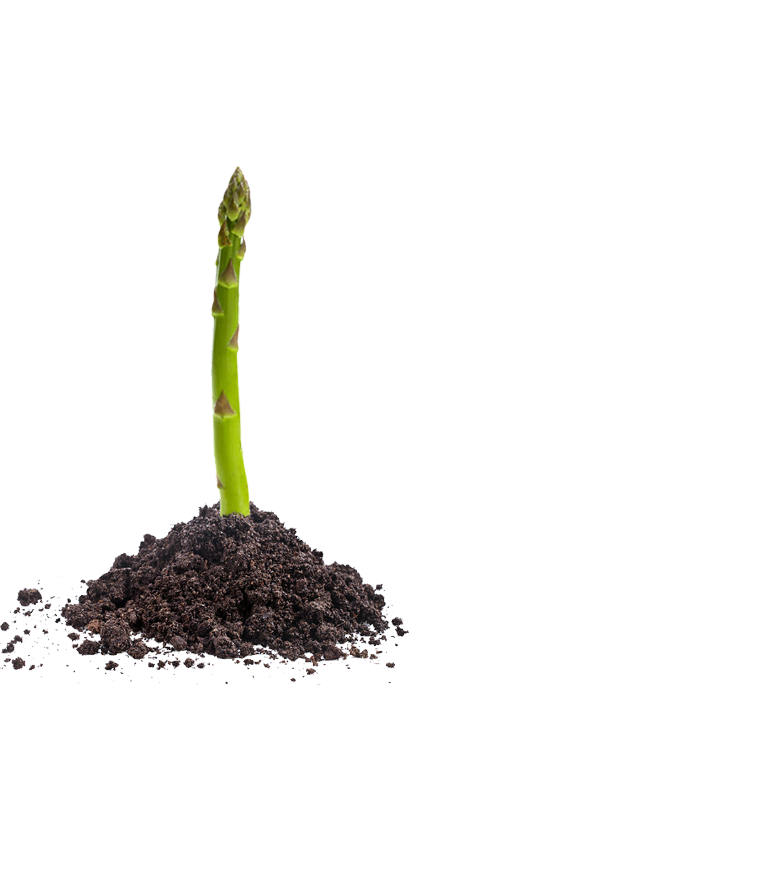
Asparagus have a lot of vitamin K, which maintains normal blood coagulation. High levels of vitamin B help regulate the level of amino acid homocysteine, which excess can be a serious risk factor for heart disease. Asparagus has fibers that reduce the risk of heart disease, while asparagine helps to remove excess salt from the body.
Reduces the risk of type 2 diabetes. Improves insulin secretion and beta-cell function. Has the ability to help regulate blood sugar. Asparagus is a good choice for people with diabetes.
Helps to stabilize digestion due to high fiber and protein content. It contains inulin, which is a prebiotic and does not decay until it reaches the intestines. There it is beneficial to bacteria that improve the absorption of nutrients, reduce the risk of allergies and colon cancer.
Antioxidants and anti-inflammatory substances that are present at high levels in asparagus reduce the risk of cancer. It has a lot of folate that protects against cancer. Foods containing folate are more beneficial and natural compared to folic acid, which is a supplement.

One portion of asparagus has more than 9% of the daily recommended iron amount. Particularly useful for vegetarians and vegans who need a non-meat source of iron. Iron is necessary for a diet, it is one of the main components of hemoglobin, which helps carry oxygen to the body.

Asparagus contains folate, which is important for women of childbearing age to eat every day. Doctors recommend folic acid supplements for women who are planning a pregnancy. Folate regulates fetal and embryonic nerve cells. Reduces the risk of birth defects, premature birth, so it is important that mothers get enough asparagus.

Asparagus contains about 14% of the daily fiber amount. It helps to lose weight as well as regulates the digestive system. Fibers help to maintain the feeling of being full, no willingness to overeat when it's not needed. The spears contain potassium which helps to reduce abdominal fat. This vegetable has no fat or cholesterol and one serving contains only 40 calories, so you can snack at any time.

Calcium, antioxidants, vitamins A and C promotes hair health. Helps to stimulate hair follicles, which continuously produces substances that act as hair conditioners and moisturizers. It strengthens the hair, prevents drying and cracking.

Vitamin A helps maintain good vision because it helps the retina to absorb light. It also has anti-cancer properties and helps to stop macular degeneration at a later age.

Antioxidant glutathione helps protect the skin from the sun damage and pollution. Vitamin E helps your skin stay young and healthy. Collagen accelerates wound healing.

Helps to remove excess salt and liquids, which is especially useful for those with edema and high blood pressure. Helps to remove toxic substances from the kidneys and protect against the formation of kidney stones.

One portion of asparagus has a surprising amount of vitamin K. This vitamin helps to rebuild and form bones, acts as a protection against osteoporosis and osteoarthritis.

According to studies, folate and vitamin B12 in asparagus improve the speed of reaction and mental flexibility of elderly people.
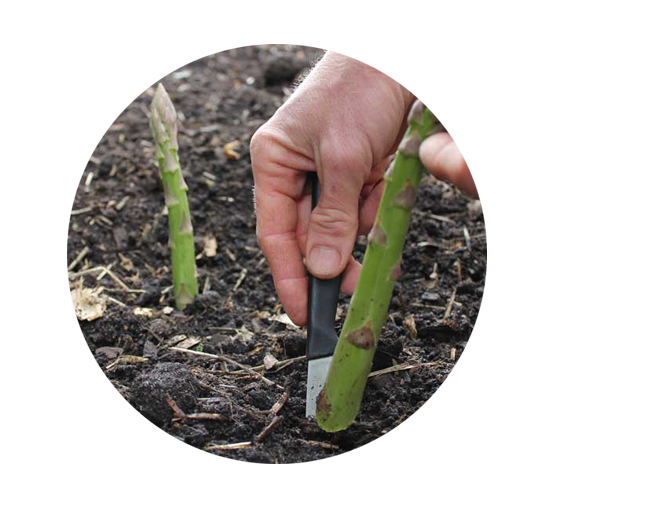
The cultivation of asparagus requires a careful work.
When the spears reach their full height, they are cut by hand.